Decision-Making in Nonprofits: Insights from a Data Expert
In the latest episode of A Modern Nonprofit podcast, host Tosha Anderson sat down with Sawyer Nyquist, a data expert who specializes in analytics and data management for nonprofits. Their conversation explored the strategic role of data in the nonprofit sector and how organizations can leverage it to achieve their goals more effectively.
The Data Dilemma
Tasha kicked off the discussion by highlighting a common issue in the nonprofit world: many organizations have an abundance of data but struggle to make sense of it or convert it into meaningful stories of impact. Sawyer agreed, noting that while there was once a push to collect as much data as possible, organizations now need to be more intentional about their data practices.
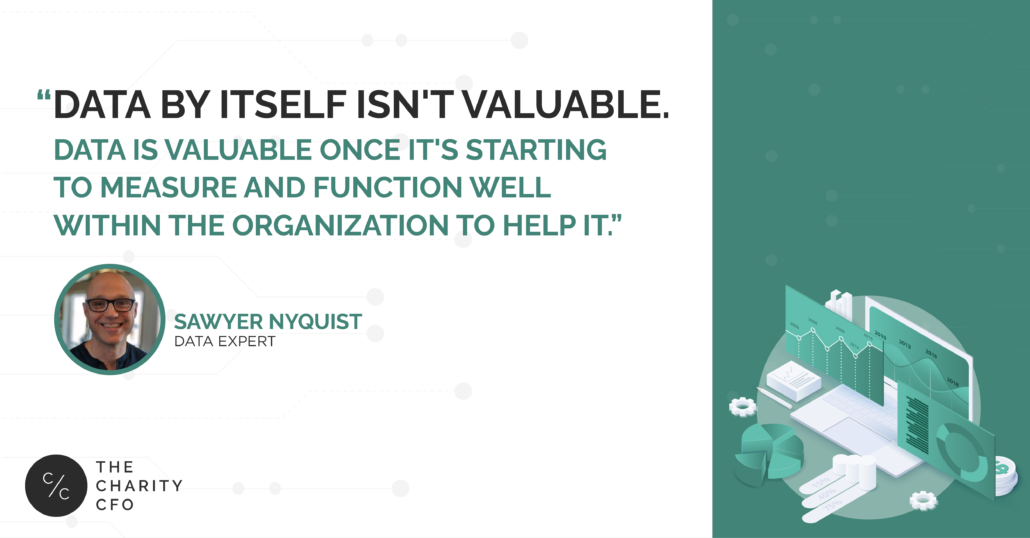
“Data by itself isn’t valuable,” Sawyer explained. “Data that is purposeful and thoughtful and designed with intention can be extremely valuable for an organization.”
See the full video here via Youtube:
From Data Warehouse to Decision Driver
The conversation touched on the evolution of data use in nonprofits. Sawyer shared an example of a camping organization that used data to optimize their bus deployment, saving staff time and reducing maintenance costs. This illustrates how data can serve a decision-making function within an organization.
Sawyer introduced the concept of “decision-driven data” – figuring out what decisions need to be made, then determining what data will provide the necessary context for more informed choices.
Understanding Data Maturity
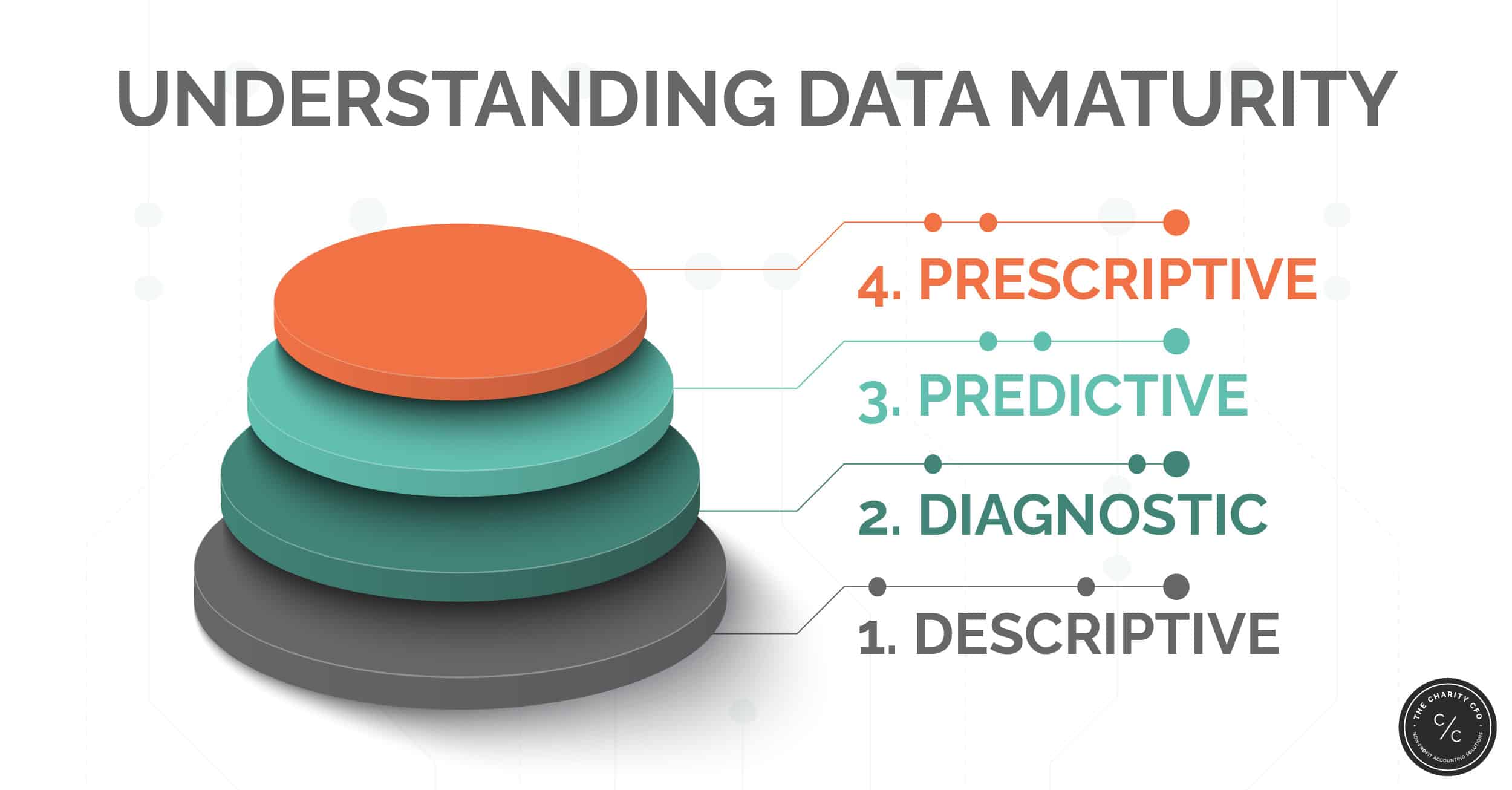
Sawyer outlined a four-level scale of data maturity:
- Descriptive: Answering “what happened?”
- Diagnostic: Answering “why did it happen?”
- Predictive: Forecasting “what will happen?”
- Prescriptive: Determining “what should we do?”
He emphasized that organizations can’t jump straight to the highest level – it’s a process of building foundations and developing both technological capabilities and data literacy within the organization.
Measuring What Matters
When it comes to deciding what to measure, Sawyer cautioned against tracking too much. He suggested focusing on:
- A North Star metric tied to the organization’s mission
- 2-3 key progress metrics that indicate movement toward the main goal
- Decision metrics with built-in action points
Tasha agreed, stressing the importance of customizing metrics to each organization’s unique mission and operational context.
Data Transformation in Action
Sawyer shared two case studies of how organizations have used data to improve their operations:
- A nonprofit accounting team that streamlined their reporting process using Power BI, saving hours of work each month.
- A child safety organization that gained crucial visibility into their child visitation program, allowing them to ensure more children were being checked on regularly.
These examples demonstrate how data can both increase operational efficiency and directly support an organization’s core mission.
The Data Journey: From Small to Large Nonprofits
Sawyer walked through what the data journey typically looks like for nonprofits of different sizes:
- Small organizations often have all their data in one system and may start by simply becoming aware of what data they have and giving it “a seat at the table” in decision-making.
- Medium-sized organizations might introduce business intelligence tools like Power BI or Tableau and have a part-time or full-time data analyst.
- Large organizations often have dedicated data teams and use data warehouses to centralize information from multiple systems.
Overcoming Data Overwhelm
Tasha noted that many nonprofits feel overwhelmed by their data and don’t know where to start. Sawyer’s work helps bridge this gap, assisting organizations in connecting their mission to measurable outcomes and making better decisions along the way.
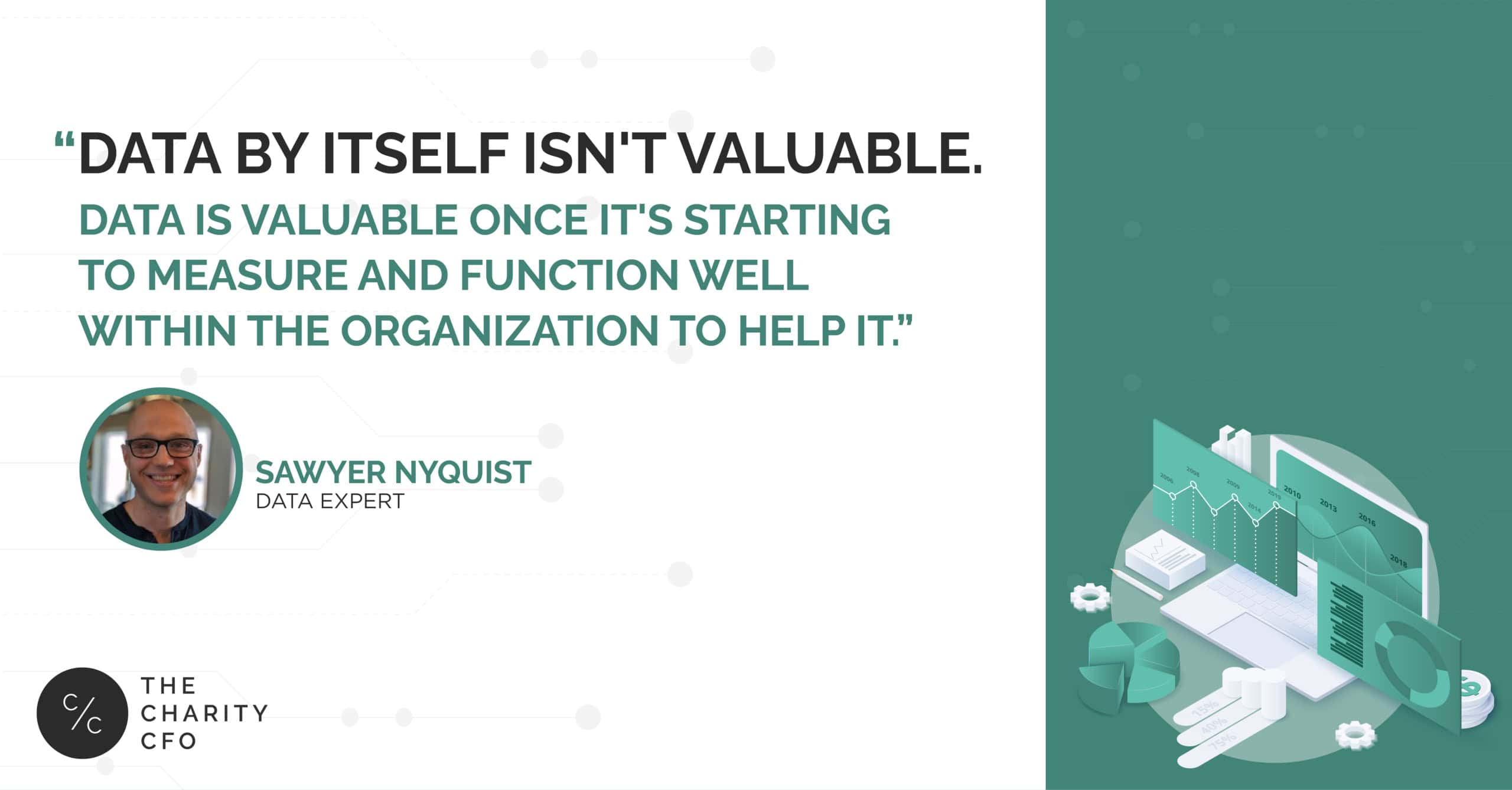
He emphasized the importance of data in nonprofit work, stating, “Their mission is too important to ignore data and to waste their data.”
Key Takeaways for Nonprofit Leaders
- Be intentional about data collection and use. Not all data is valuable – focus on what supports decision-making and mission achievement.
- Start where you are. Even small organizations can begin to use data more effectively by simply becoming aware of what they have and incorporating it into decision processes.
- Consider your data maturity level and work on building foundations before trying to jump to advanced analytics.
- Focus on a few key metrics rather than trying to measure everything.
- Look for opportunities to use data to improve both operational efficiency and mission impact.
- Don’t be afraid to seek help. Experts like Sawyer can provide guidance on the journey to becoming a more data-driven organization.
As nonprofits continue to face pressure to demonstrate their impact, embracing data-driven decision-making becomes increasingly crucial. By understanding the strategic role of data and taking steps to mature their data practices, organizations can enhance their operations, tell more compelling stories, and ultimately make a greater impact in their communities.
Follow Us Online
Stay connected and get more exclusive content on:
- Website: www.thecharitycfo.com
- Instagram: @thecharitycfo
- Facebook: https://www.facebook.com/thecharitycfo
- LinkedIn: https://www.linkedin.com/company/the-charity-cfo-llc/posts/?feedView=all
- TikTok: @thecharitycfo
- Spotify: https://open.spotify.com/show/6hofQXPCxiPZuZy3OecW8y
- Apple Music: https://podcasts.apple.com/us/podcast/a-modern-nonprofit-podcast/id1542301310
Follow Sawyer online:
- Linkedin: https://www.linkedin.com/in/sawyernyquist/
- Data Daily: https://www.thedatashop.co/daily
- The Data Shop: https://www.thedatashop.co/